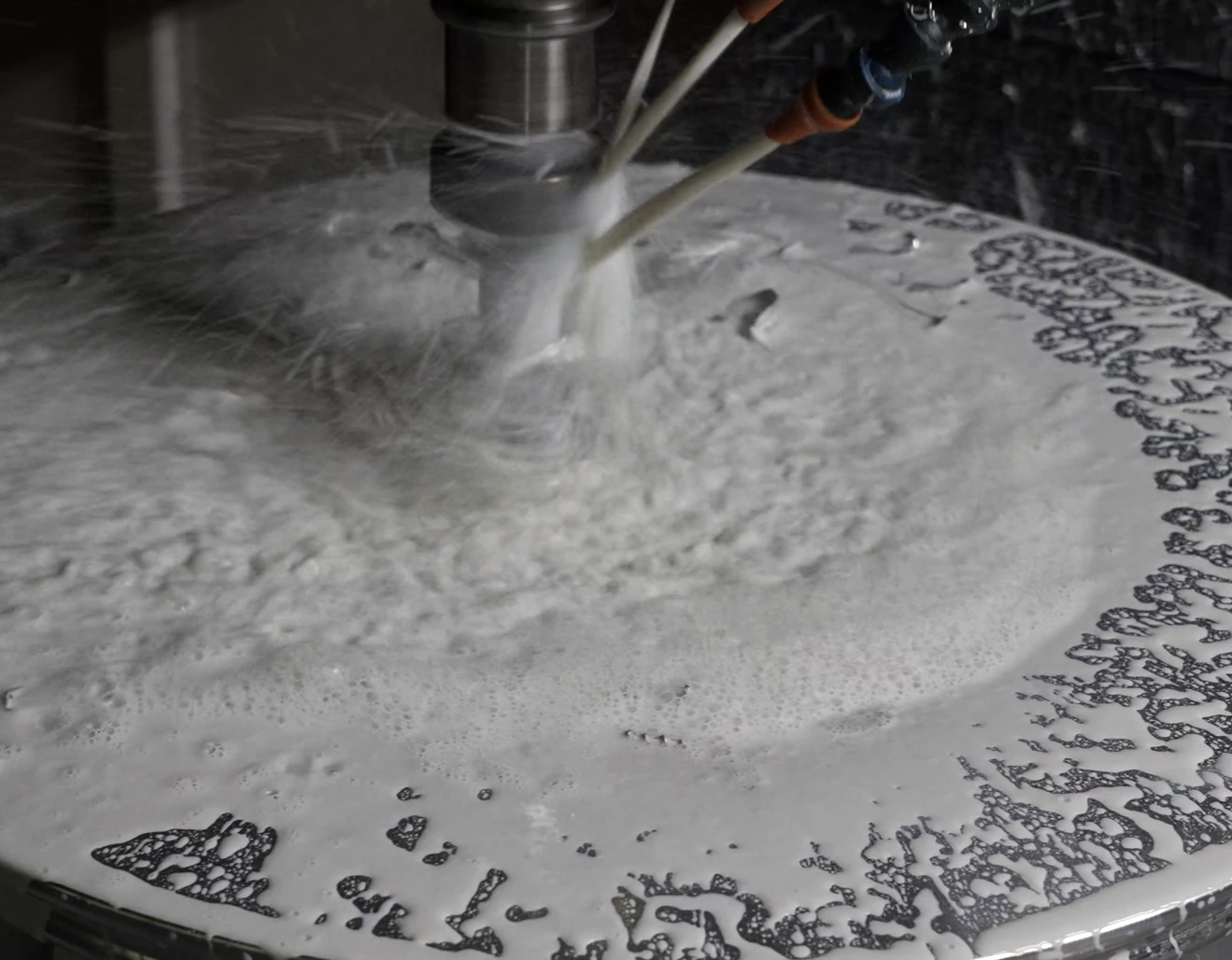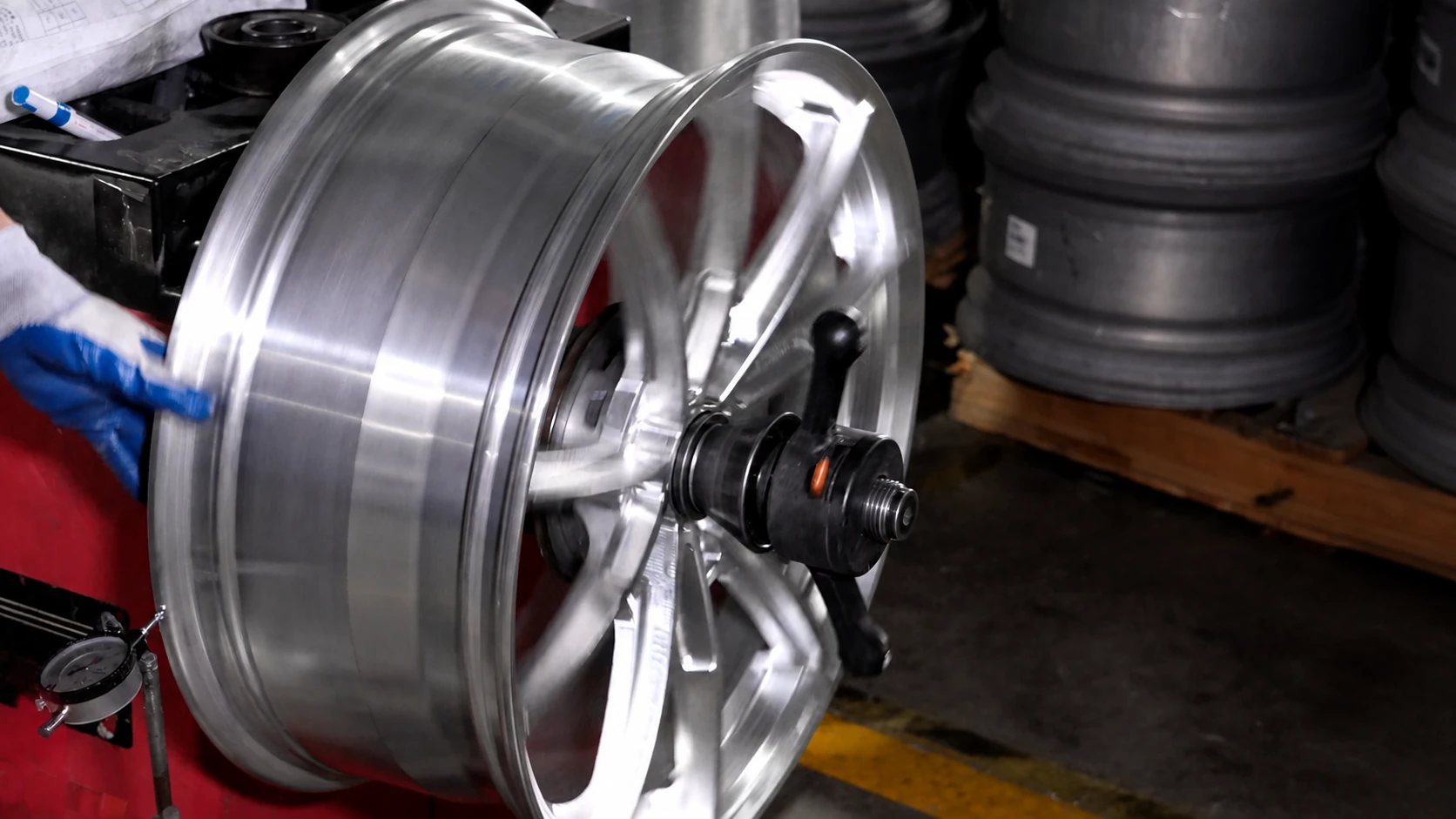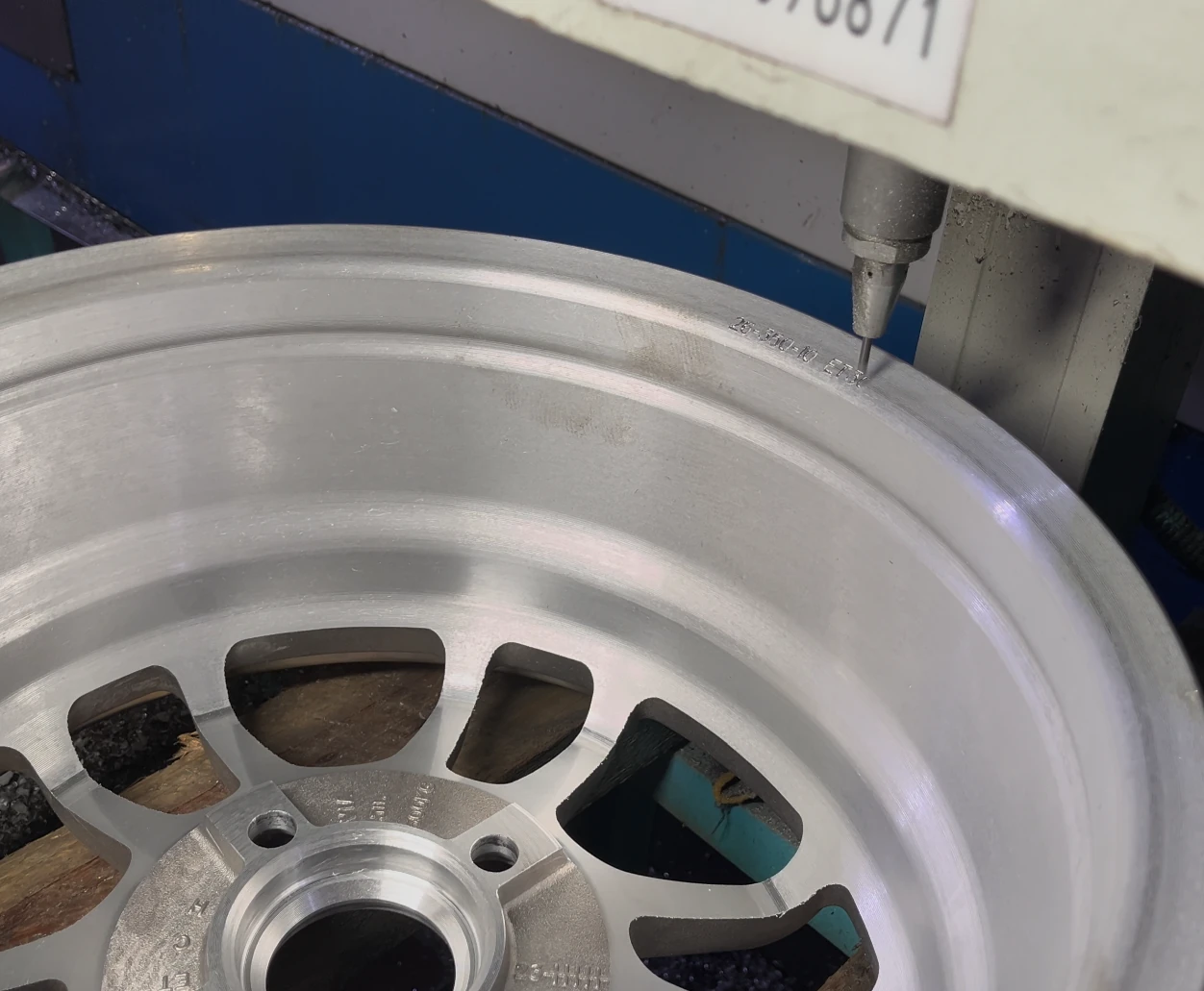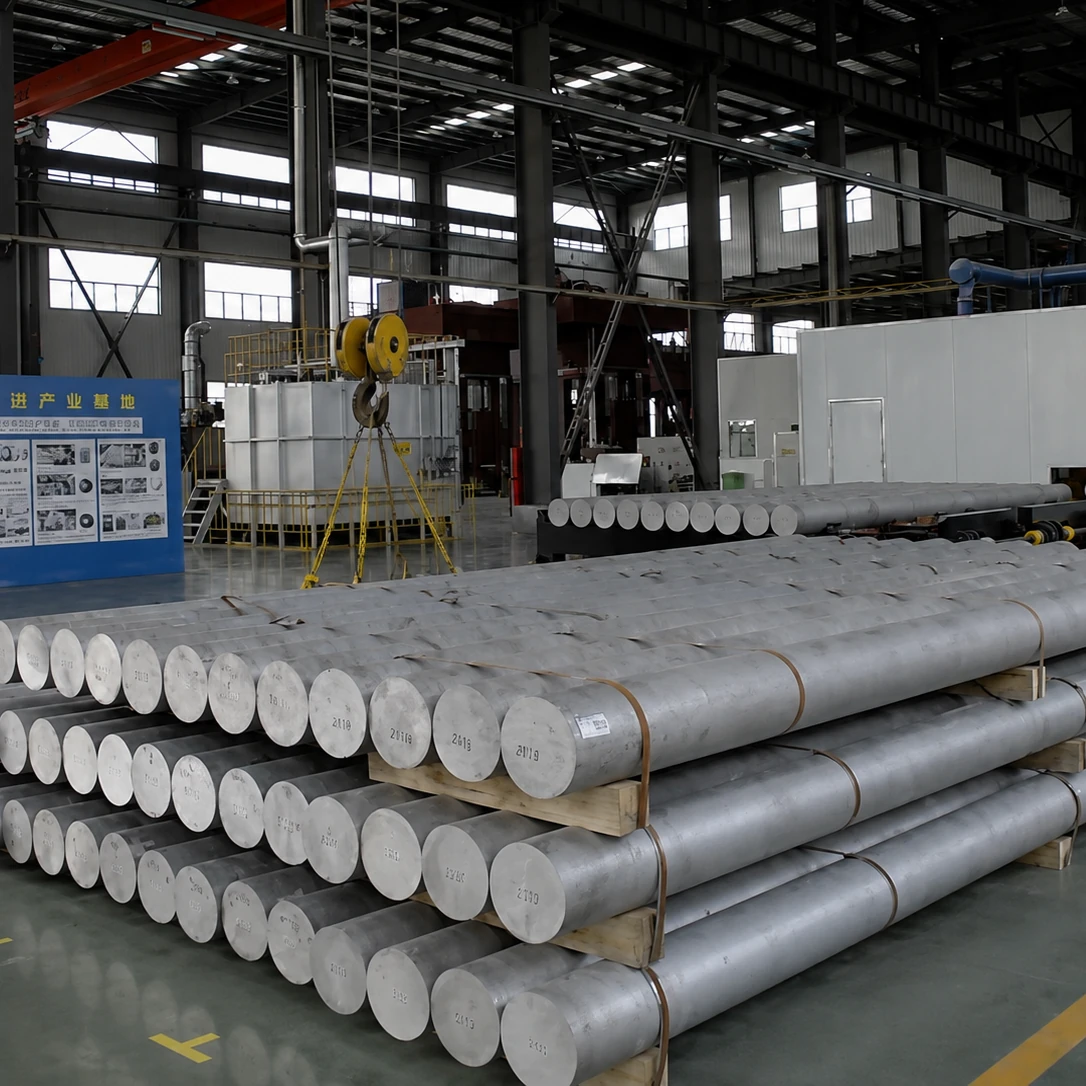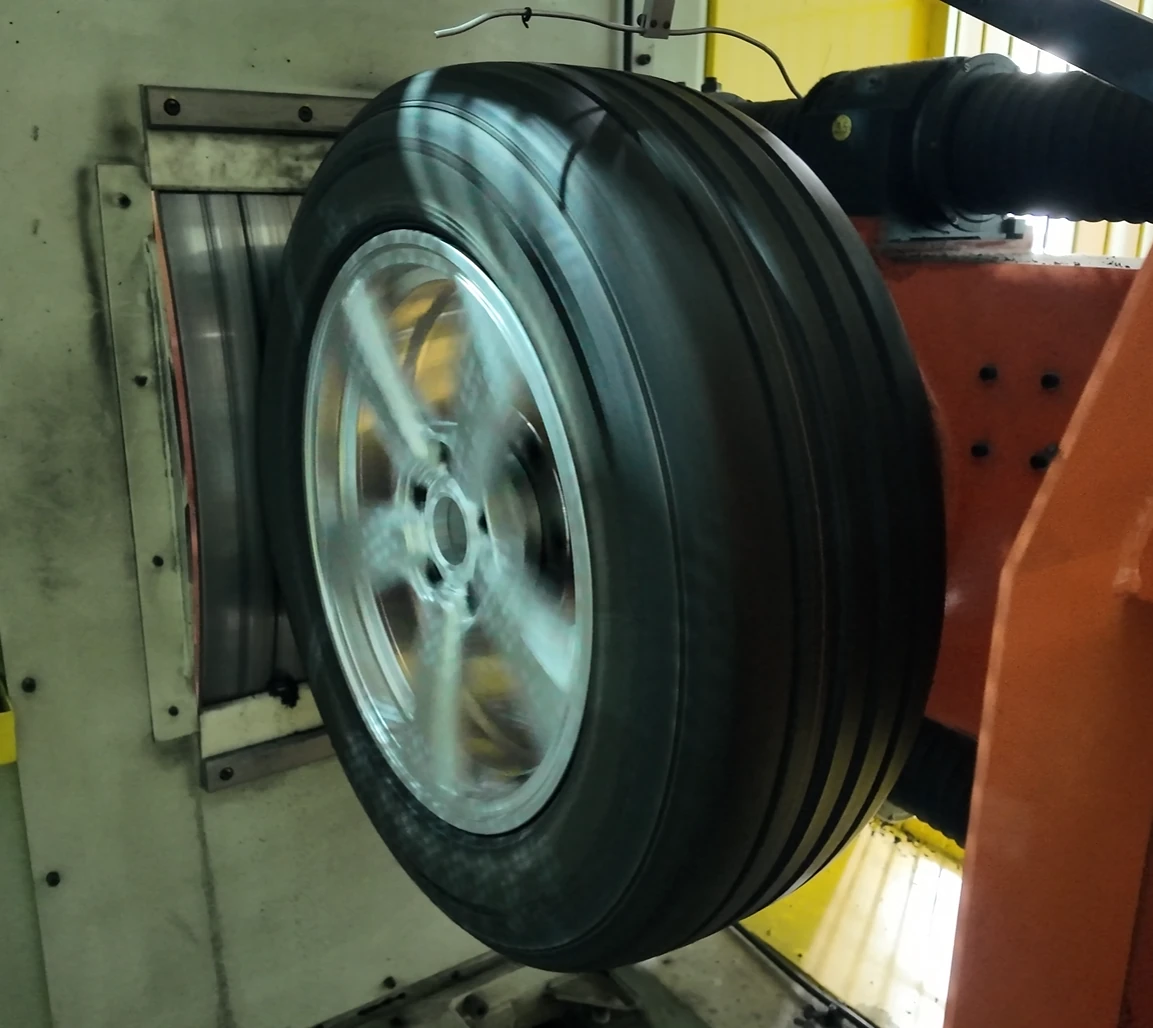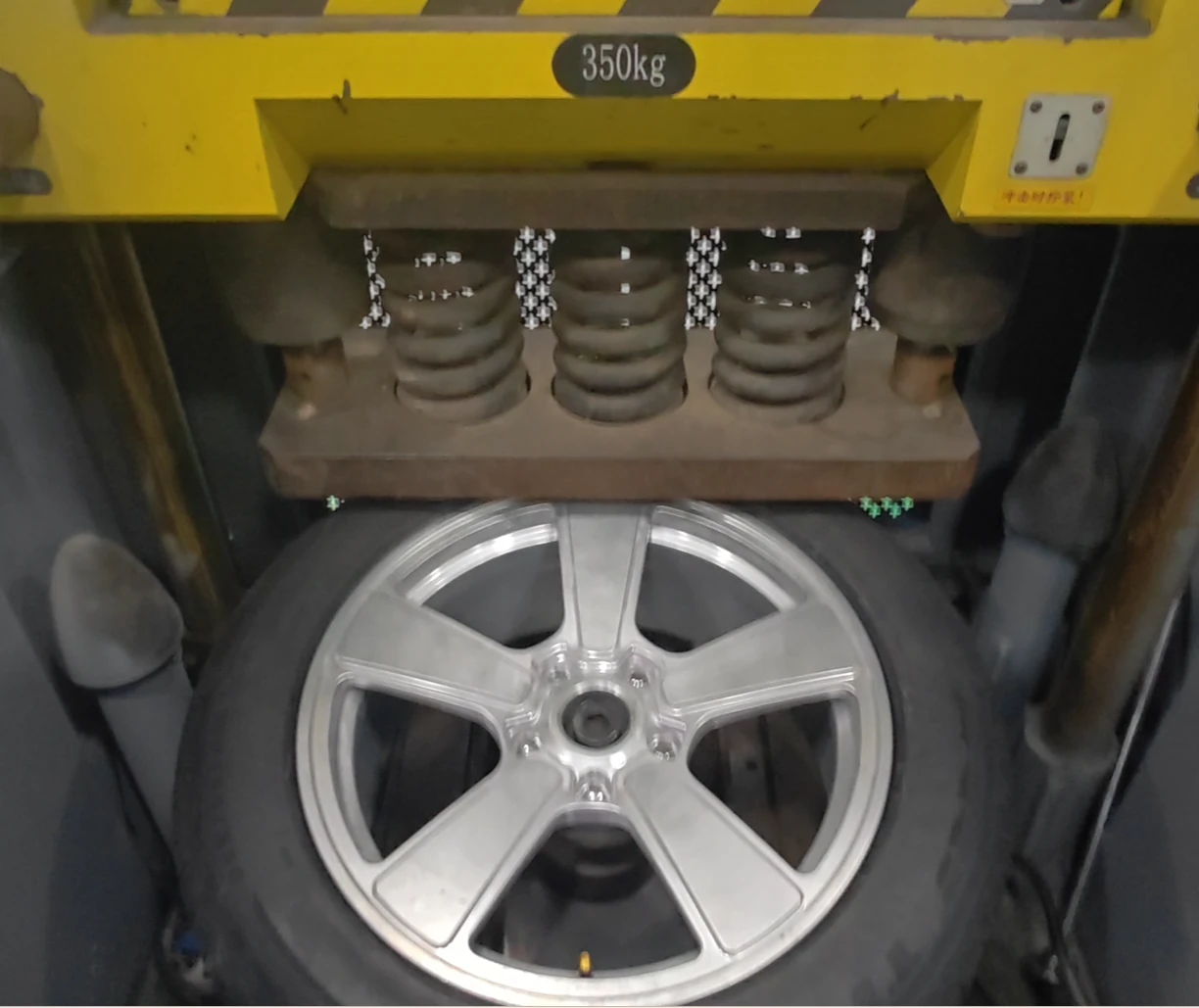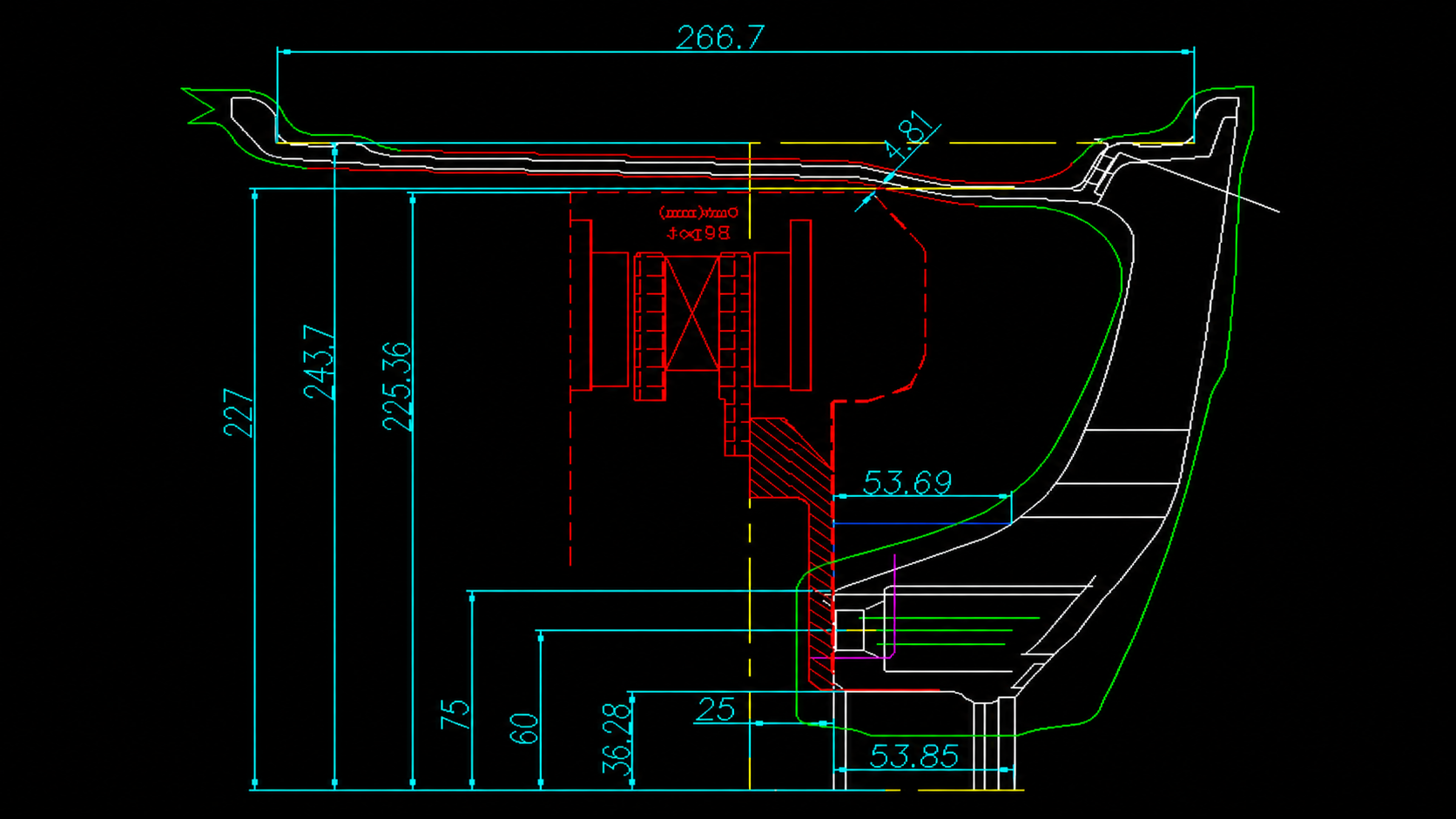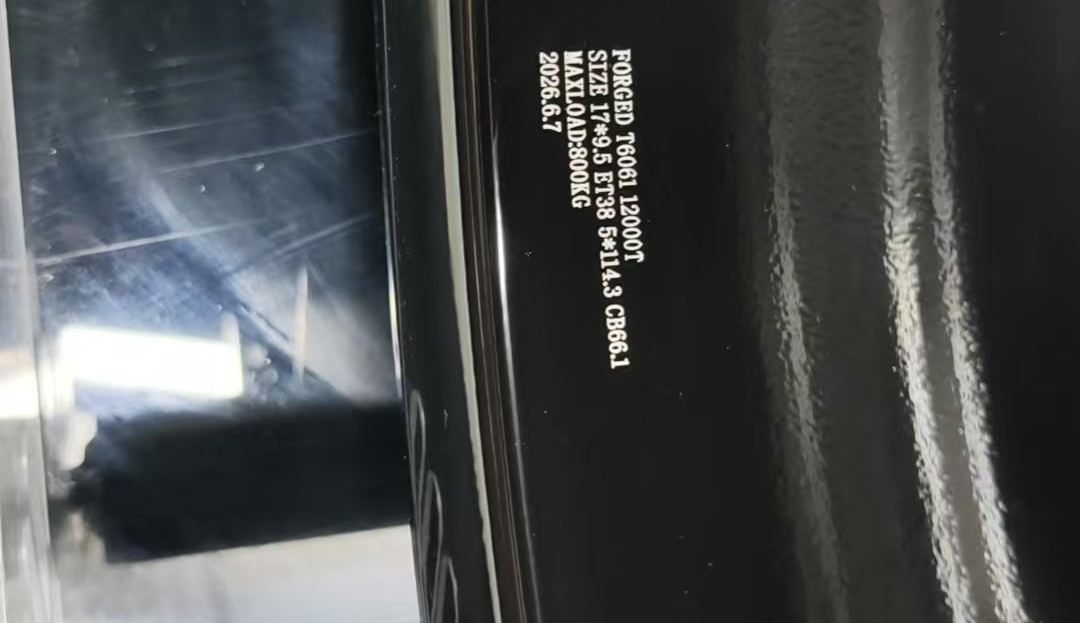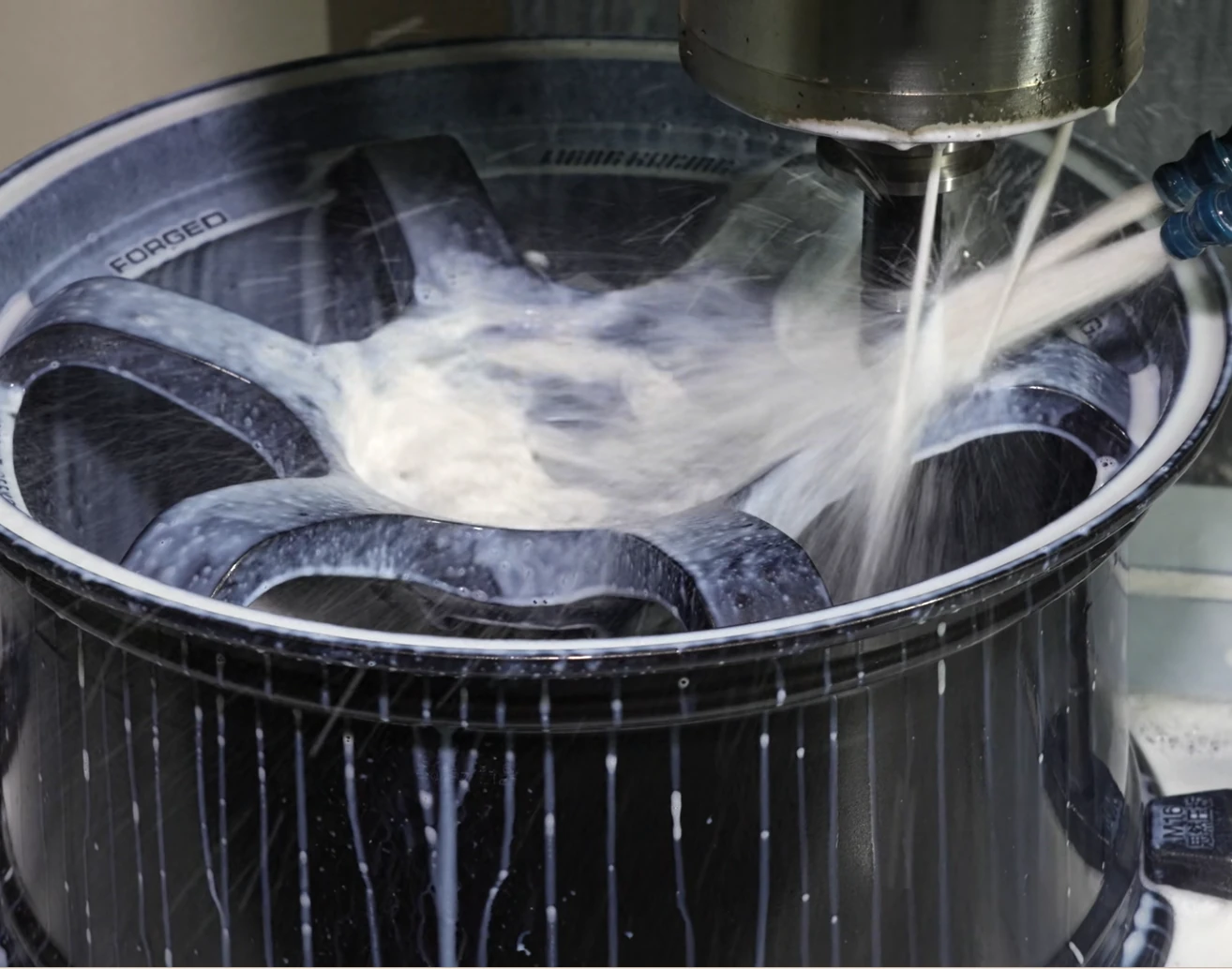

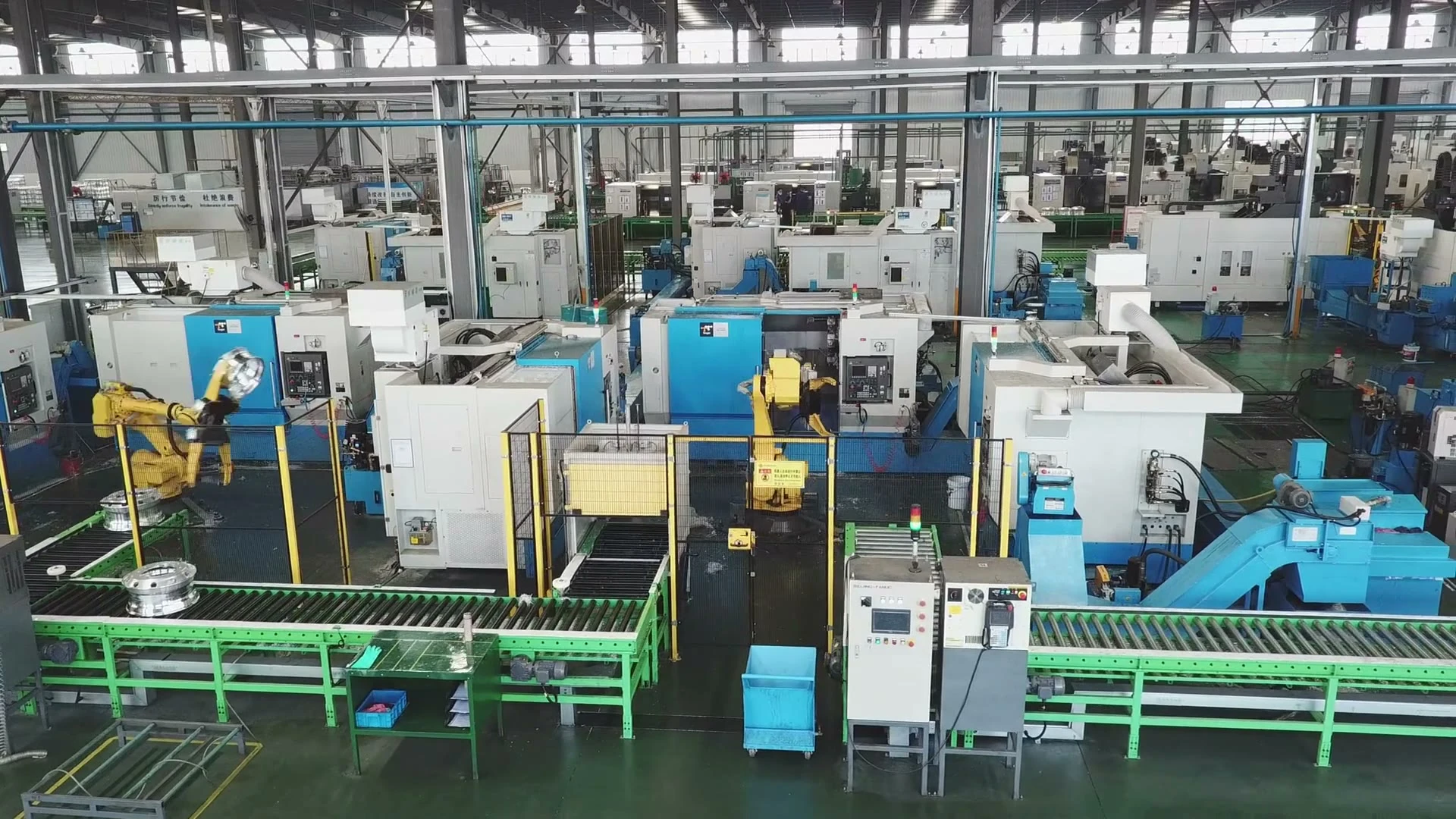
A three-level forging and molding production line consisting of 6000T, 12000T and 800T forging equipment.
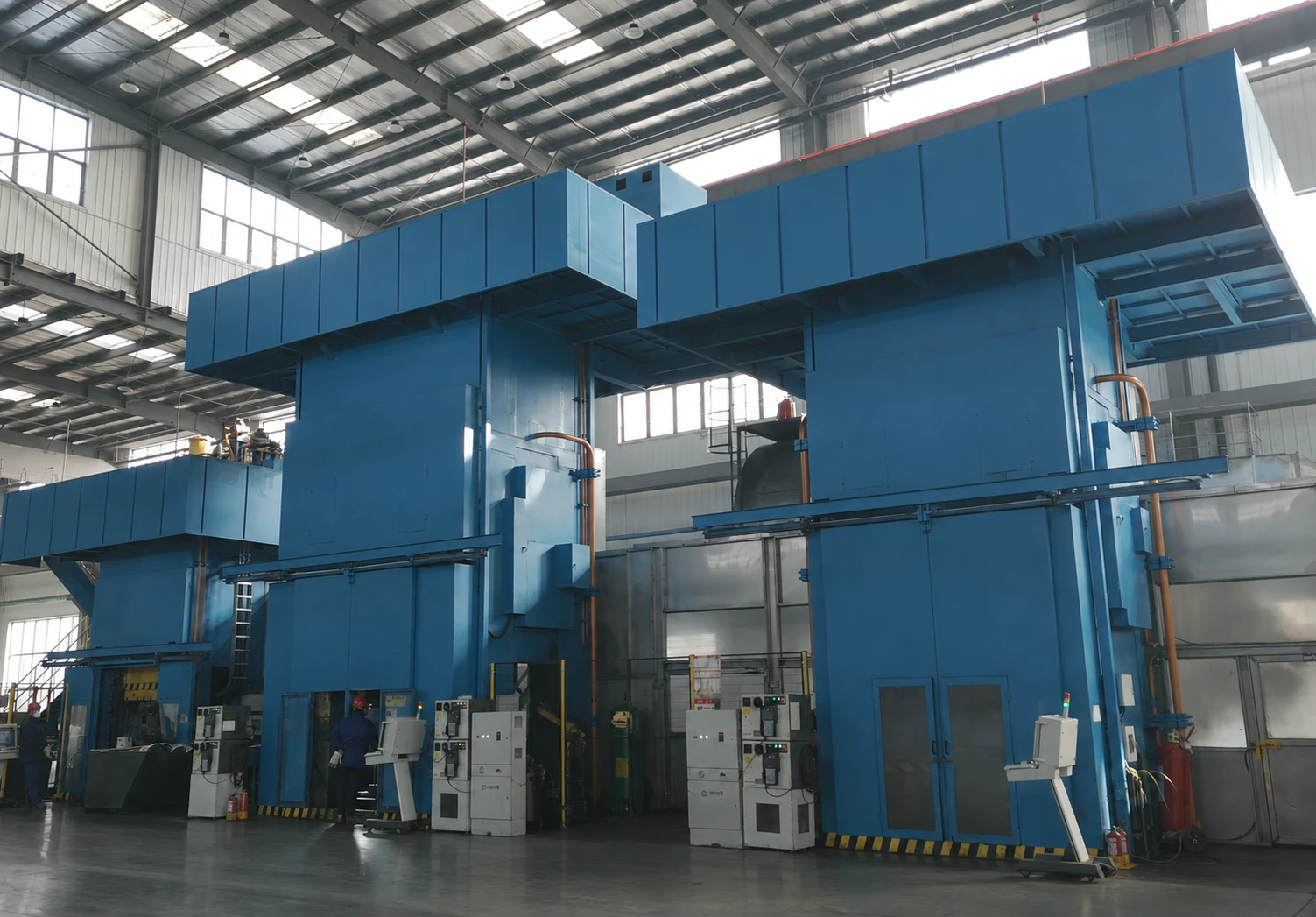
Three-stage forging is a sequence of operations
Available information shows a line comprising 6000T, 12000T and 800T forging presses. The important context is the role each station plays in billet preforming, main forming and subsequent sizing or process transfer—and how the workpiece remains controlled between stations. Adding the tonnage figures together does not describe product performance.
Tonnage Is Not a Quality Conclusion
Press tonnage states nominal pressure capacity. It is not the actual forming load for a particular wheel and cannot, by itself, establish strength or fatigue life. The process also depends on billet dimensions and condition, die geometry, contact conditions, temperature, the pressing sequence and equipment condition.
Progressive Forming Supports Consistent Material Distribution
Multi-stage forming can divide major geometric changes across several operations, guiding material progressively into the hub, spokes and rim while retaining suitable allowances for heat treatment and finish machining. Achievement of the intended result must be confirmed through forging dimensions, surface condition, remaining machining allowance and any required internal-quality inspection.