

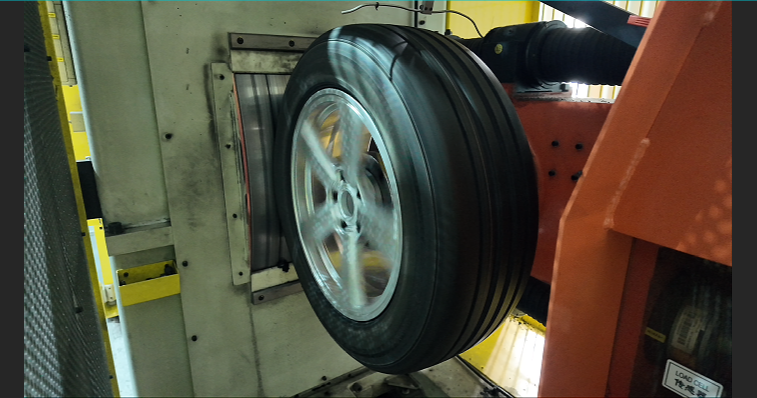
The Test Simulates Sustained Radial Rolling Action
A radial fatigue test typically places a tyre-and-wheel assembly on test equipment, applies load and rolls it continuously so the rim and spokes repeatedly experience radial loading representative of straight-line driving. It evaluates durability under cyclic action; it does not reproduce every load condition encountered on the road.
Input Conditions Determine Whether the Result Can Be Interpreted
The report should identify the sample and specification, tyre and inflation conditions, mounting method, load setting, cycle requirement, stop conditions and applicable standard or customer specification. Without that context, footage of the equipment running cannot establish a result, and the conclusion for one sample cannot be extended to the full product range.
- Sample model, size, construction and serial identification
- Tyre specification, inflation pressure and assembly condition
- Test conditions including load, speed or cycles
- Inspection frequency, stop conditions and acceptance criteria
Process Monitoring and Post-Test Inspection Are Equally Important
Equipment and sample condition should be monitored as specified throughout the test, with anomalies, stops and adjustments recorded. After the required procedure, the rim, spokes and mounting area must be inspected for cracks or abnormal deformation as the method requires, with images and records linked to the sample.
Page Media Does Not Constitute a Pass Result
The available images and video show a radial fatigue test environment but provide no specific sample, load, cycle count or conclusion. This article therefore makes no claim that any specification has passed. Purchasing or certification decisions must rely on a formal report stating the method, conditions, sample and signed conclusion.
The position of radial fatigue testing in the industry standard system
Radial fatigue, bending (or rotational bending) fatigue and impact tests are the three core tests covered by most wheel performance standards, such as the Japanese JWL standard, the Japanese Vehicle Inspection Association (VIA) registration system, and the American SAE J2530 recommended specifications. They all establish their own test methods, sample quantities and judgment conditions around these types of load conditions. Different standards may have differences in equipment accuracy, loading methods, cycle requirements and acceptance details, and cannot be directly substituted for each other.
When enterprises explain their testing capabilities to the outside world, they should clearly indicate which standard, which version they are based on, and the product specifications corresponding to the samples, rather than citing "international standards" in general.
Next Step