
Request a quote

Vehicle fitment system

Identify PCD, center hole, original wheel diameter and brake risk based on a limited vehicle model database, and then bring complete context into the product and quotation process.

01Identify car model02Check parameters03Engineering Review

STEP 01 / VEHICLE DATA

Select vehicle

The current database covers 11 car model generations; vehicles not included will automatically enter manual review.

Engineering Scope Preliminary result only. Confirm vehicle measurements, axle load, caliper clearance and local rules.

WHAT WE VERIFY

Same diameter.
doesn’t ensure fitment.

01PCD / CB

Hole spacing and center hole determine the basic connection relationship
02ET / WIDTH

Offset and width affect wheel arch, suspension and steering space

03BRAKE

The caliper shape requires 2D template or 3D data review

04Load

The vehicle axle load, tires and usage scenarios jointly determine the load

05Tyre

Tire outer diameter, tire width and sidewall determine dynamic space

06Regulatory Requirements

The final solution must comply with the local regulations and registration requirements of the vehicle

Vehicle-specific engineering: checking the wheel in context

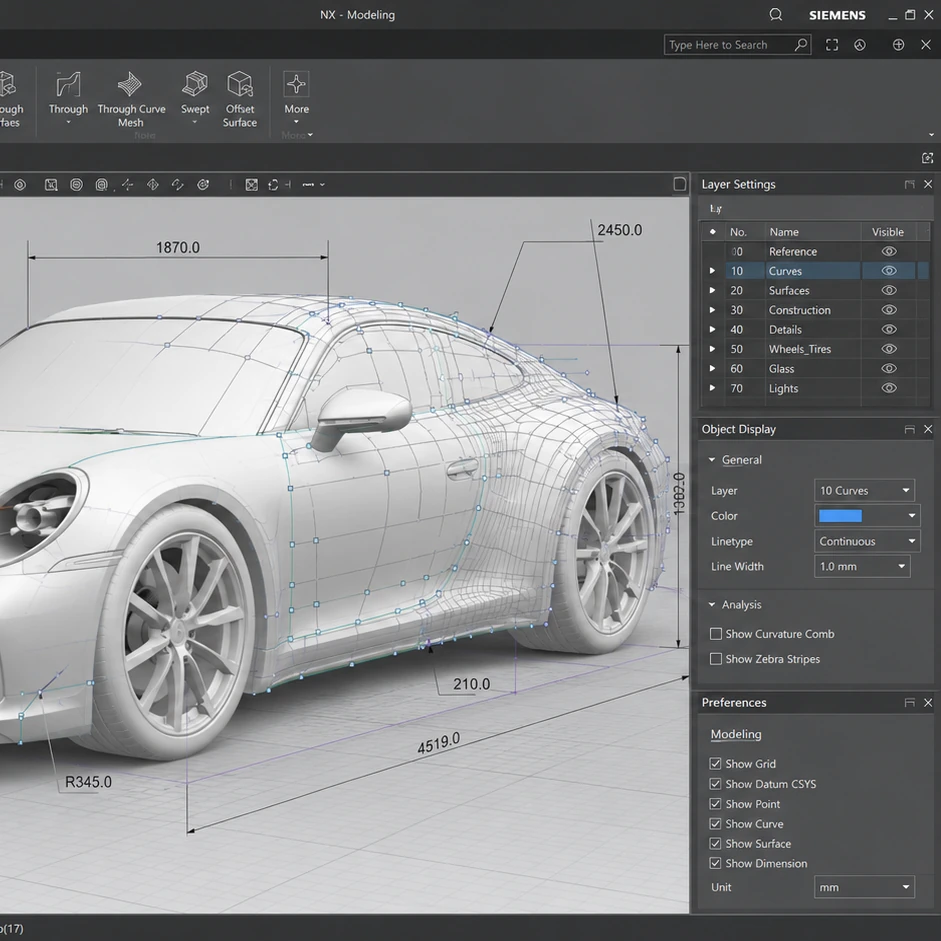
Put wheel diameter, width, ET, PCD, center hole, tire, axle load and braking space into the same vehicle model context to establish a reviewable adaptation plan.

LSW forged wheel vehicle parametric engineering 3D modeling and size adaptation interface

Establish the Vehicle Baseline First

Vehicle parameterisation involves more than entering a model name. Model year, generation, exact variant, drivetrain, original tyres, brake system, axle loads and suspension condition can all change the available space. The vehicle context must therefore be organised into verifiable inputs first.

Check Mounting and Clearance Together

PCD and centre bore define the basic mounting interface. Wheel width and ET determine the wheel’s position relative to the suspension and fender. Tyre diameter and section width affect the dynamic envelope, while the caliper profile requires a 2D template or 3D data. No single parameter represents complete fitment.

Parameter Changes Require a Linked Review

When wheel width, ET, tyres or brake configuration changes, inner and outer positions and dynamic clearances change with them. A parametric model keeps these variables linked so engineers can compare specifications efficiently rather than relying on isolated rules of thumb.

Describe the setup before choosing the stance.

The model and year establish a starting point; the exact trim and setup make the discussion more precise. A model may have different brakes, while changes to tires, suspension or ride height affect available space. Describe both existing modifications and planned upgrades.
Every dimension starts with the vehicle.

The result helps organize the next checks. Consider bolt pattern, center bore, offset and width together, with separate checks for tires, axle combinations and brake clearance. If your vehicle is not listed, choose manual review and provide wheel markings, tire sidewall specifications and a modification list.